Plate studies
The shapes bags take, and the patterns that hold them
LLXXWW Bag Factory is a journal of bag design: how a clutch, a saddle bag or a structured tote is drafted on paper before it is ever cut from hide. These pages walk through silhouettes, pattern notation and the small parts that finish a bag.
A short run of shapes
Silhouettes that keep returning
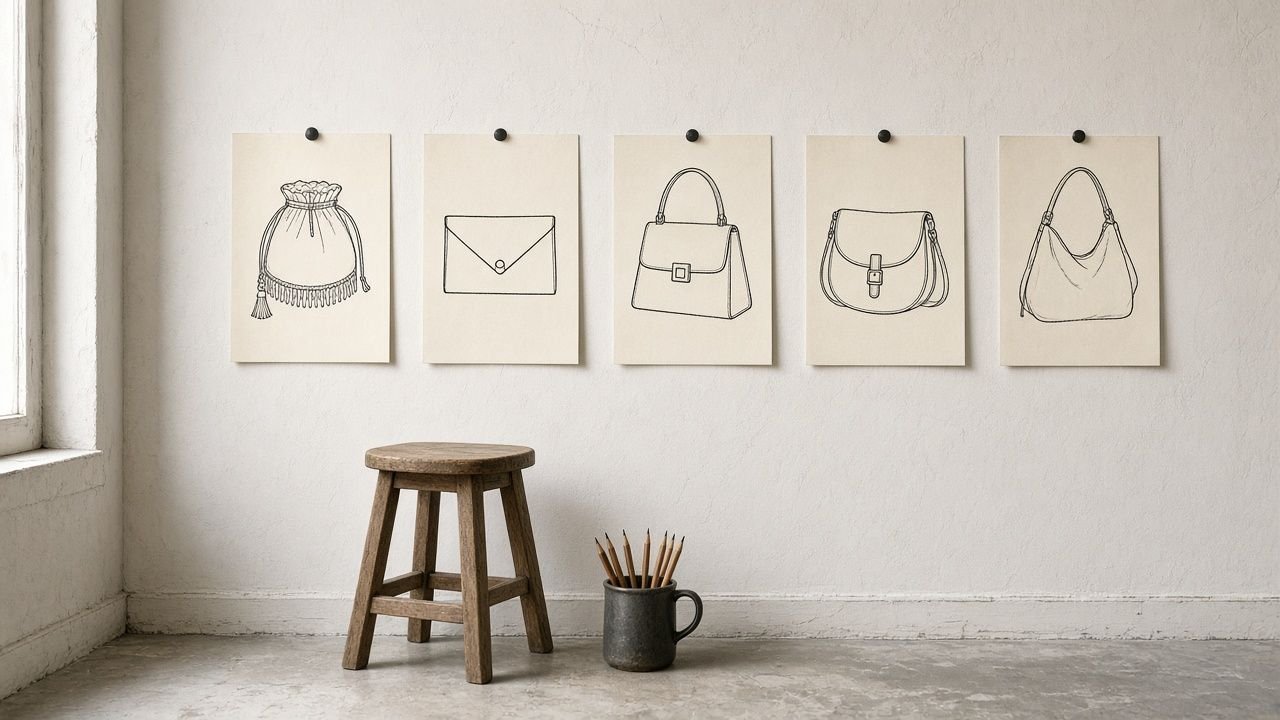
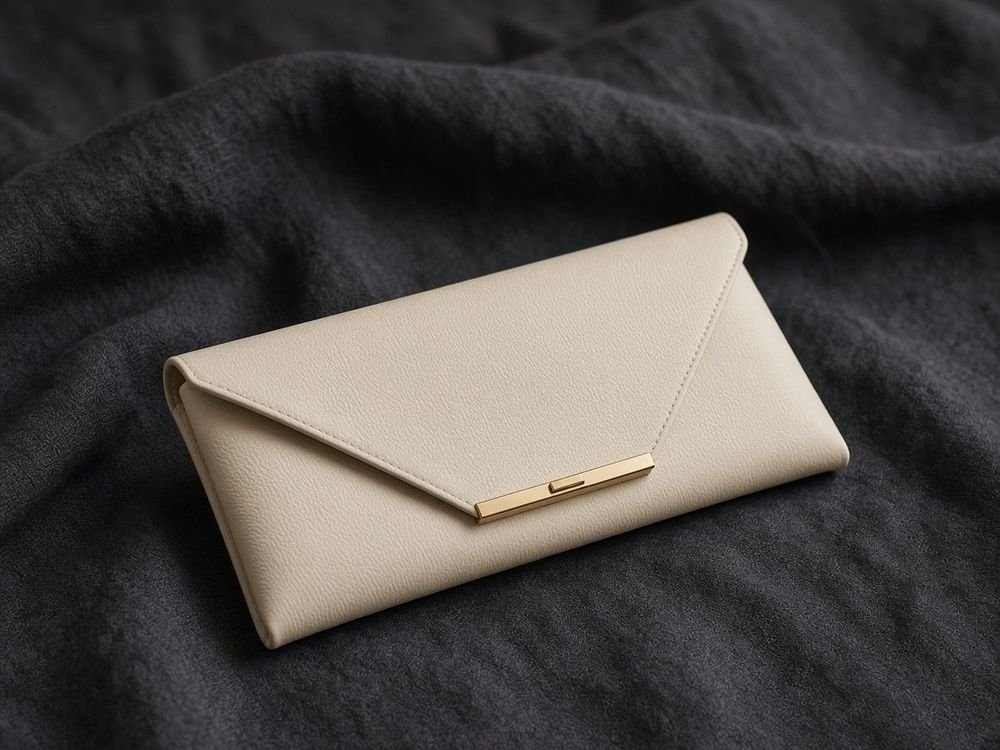
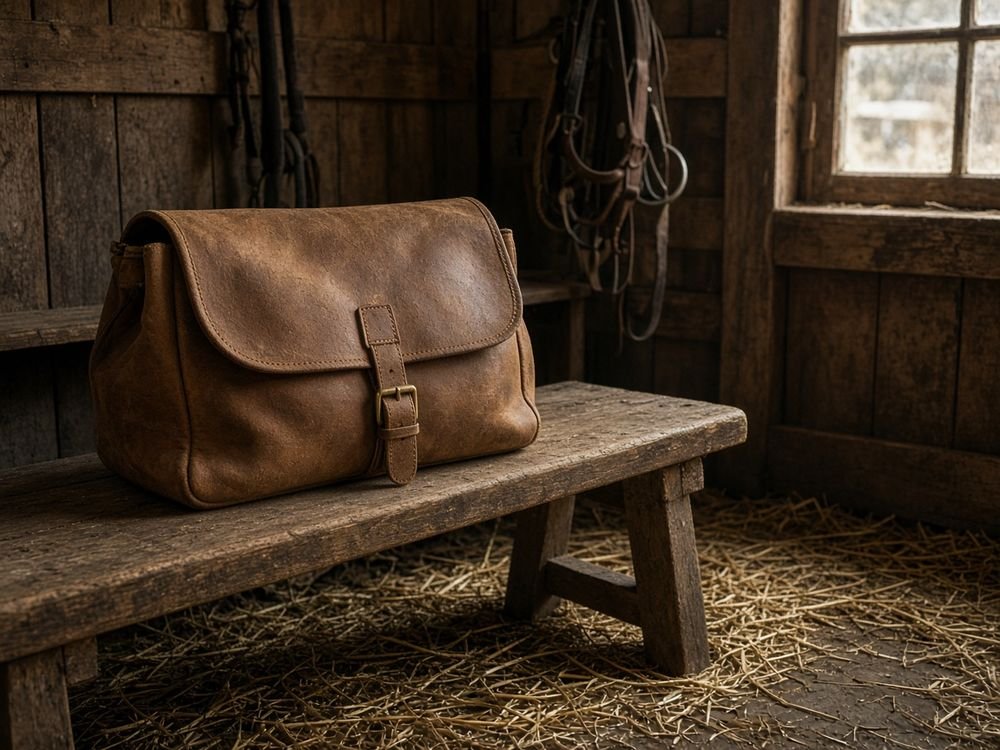
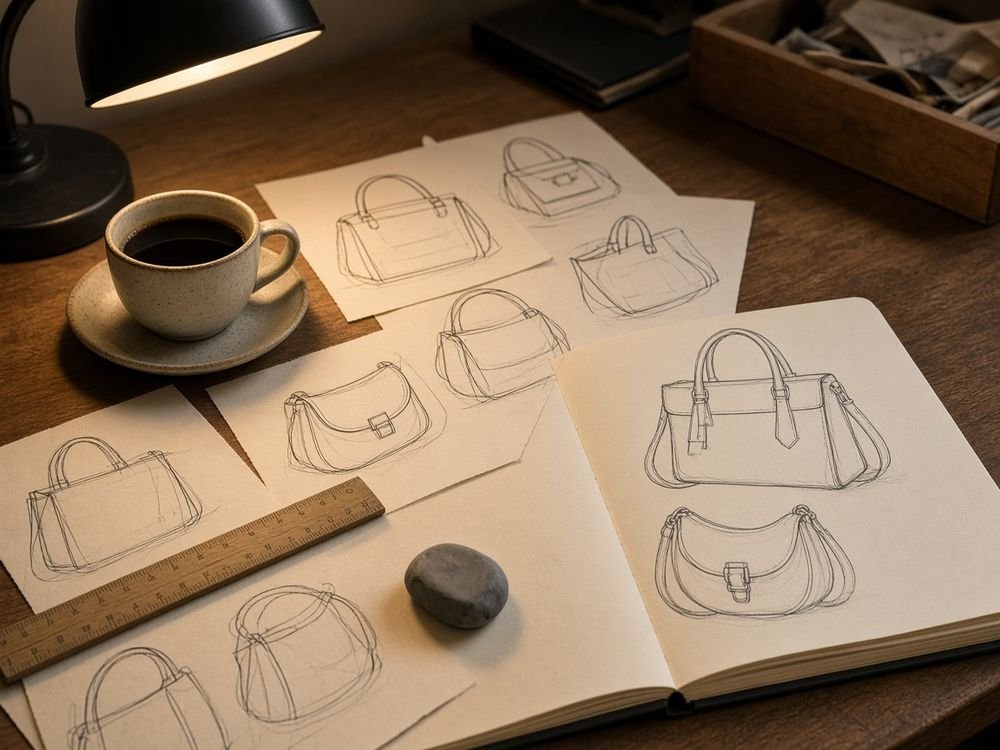
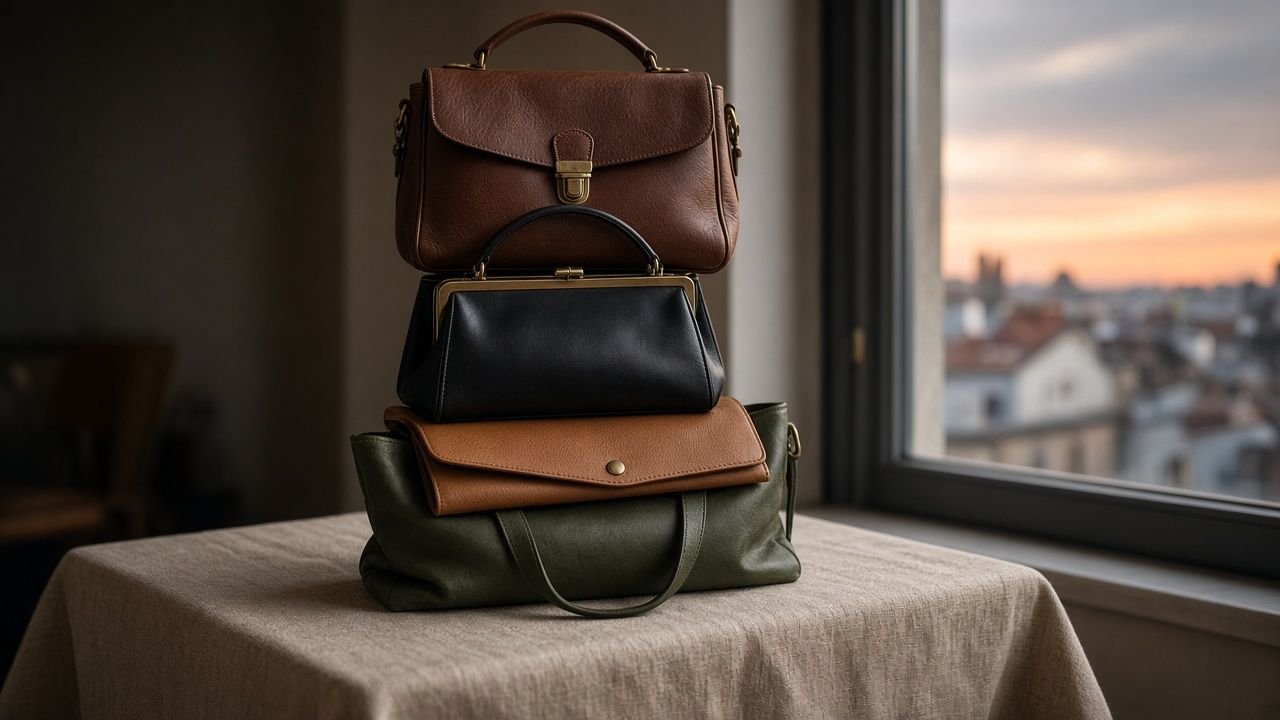
Bag design is a history of outlines that come back under new names. The clutch, the saddle, the bucket and the structured tote each have a cut that can be read on a pattern sheet.
How a plate is read
Grain lines, notches and the language of a draft
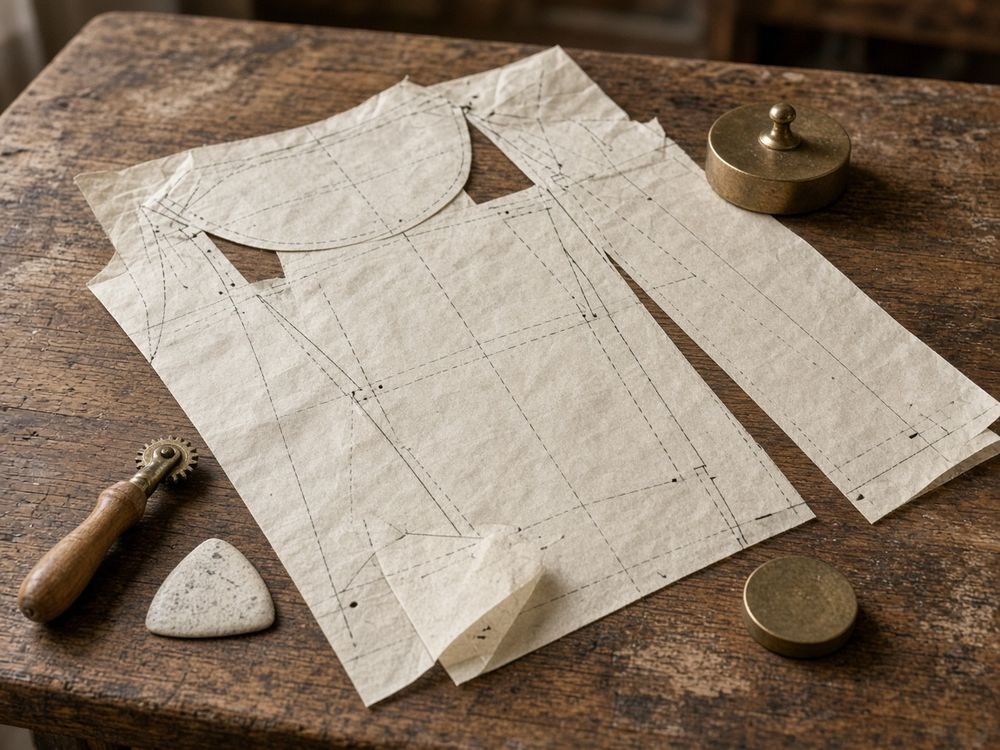
A bag pattern is a set of instructions drawn as lines. Grain arrows keep the hide from twisting, notches tell two edges where to meet, and seam allowances sit outside the finished shape. Learning to read those marks is the shortest way into the history of a design.
What finishes the form
Linings, frames and hardware
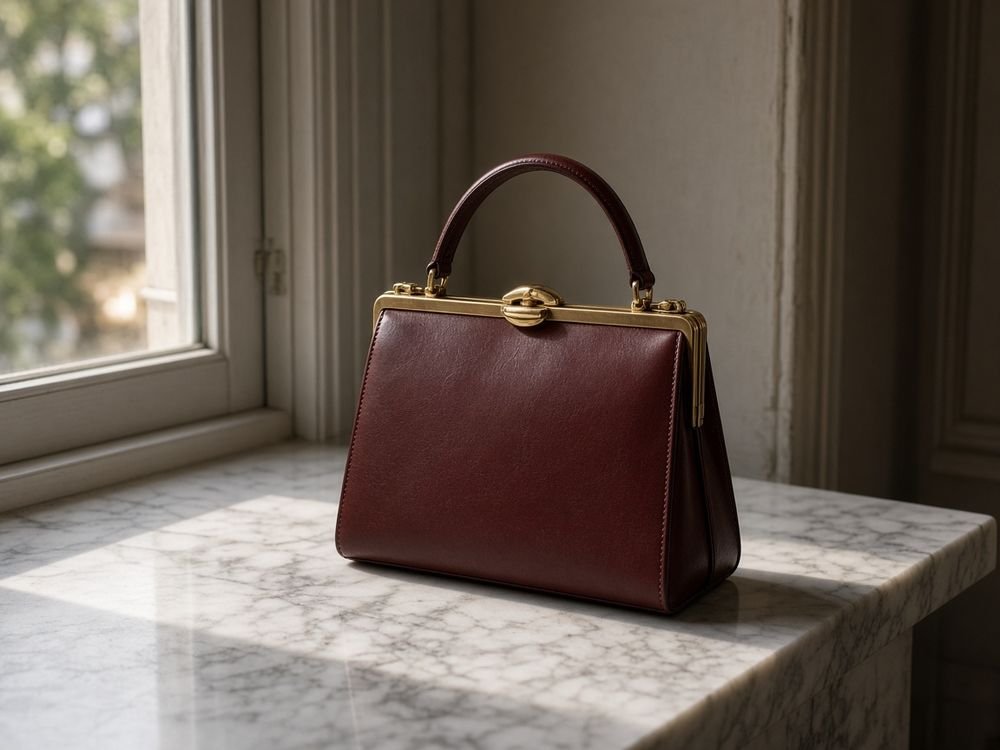
Once the outer shape is settled, a bag still has an inside and a set of small metal parts. Linings follow a quieter pattern of their own. Frames, clasps and rings belong to a separate history of hardware that often outlasts the hide around them.

A shape worth a longer look
The trapezoid tote
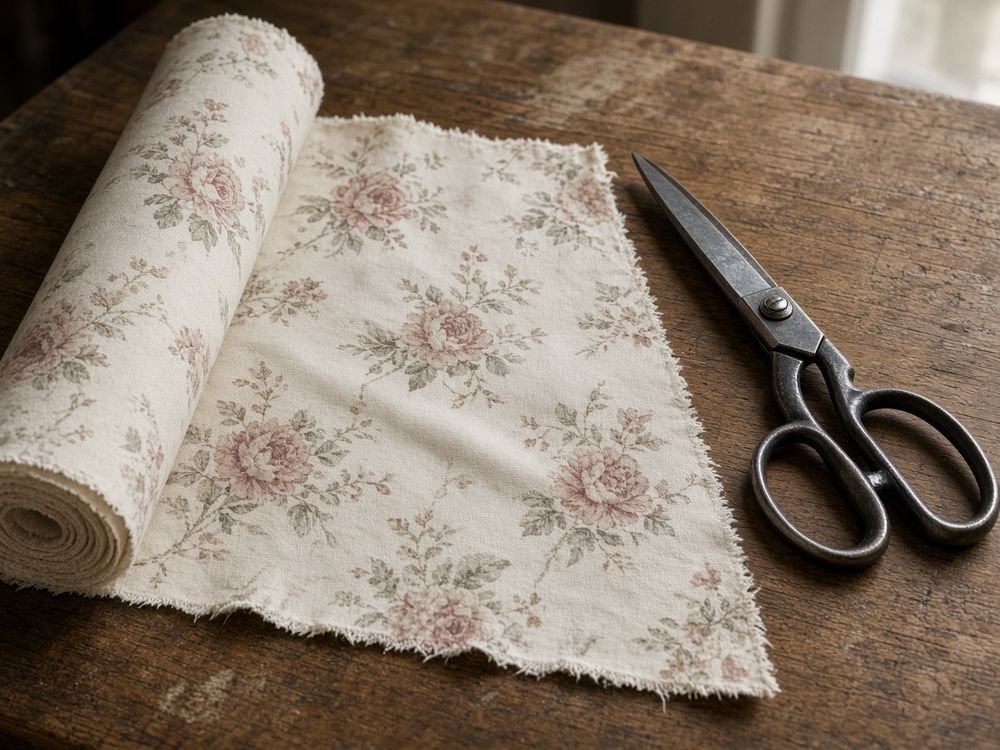
Some bags are remembered for a single cut. The trapezoid tote, wider at the base than at the opening, is one of those shapes: simple on a hanger, surprisingly precise on a pattern, and easy to misread if the grain is ignored.
About this journal
A reading site, not a workroom
LLXXWW Bag Factory publishes writing about bag design and the patterns that produce it. There is nothing for sale here, and the site does not take orders, list workshops or speak for any maker. If you want a slower tour of what is in the file, start with the silhouettes or with how a plate is read.